Digital Marketing for Event Management Companies in Trichy

People need a reason to attend an event before they decide to register, book a ticket or contact an organiser. Clear event information, engaging promotional content and convenient registration options can help them make that decision.

Trichy Digital Marketing provides digital marketing support for event planners and organisers who want to present their events online. Depending on your requirements, activities may include event promotion, search optimisation, social media campaigns, paid advertising and landing-page improvements.

Whether you organise corporate meetings, exhibitions, conferences, weddings, music programmes, college festivals or professional workshops, your promotion should match the event's audience, location, schedule and booking process.

A campaign for a business conference may focus on professional attendees and registration enquiries. A public entertainment event may need visual content, local discovery and a clear ticket-booking journey. The marketing plan should reflect these differences.
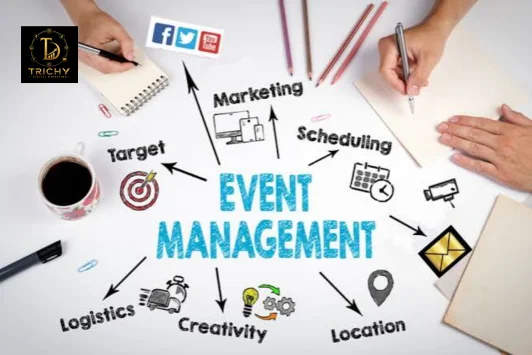
Event promotion planning and digital marketing for event organisers in Trichy

Event Management Marketing Services

Event promotion involves more than announcing a date on social media. Potential attendees may want to know what the event offers, who should attend, where it takes place, how much it costs and how to register.

Our marketing recommendations can be shaped around the event format, target audience, promotion period and available resources. Each activity should have a clear purpose within the wider event plan.

SEO for Event Discovery

Create useful event pages that explain the programme, intended audience, venue, date, speakers or activities where applicable. Descriptive headings and relevant search terms can help people discover events when they search for activities, exhibitions, conferences or workshops.

For longer-running events, recurring programmes or annual exhibitions, maintain accurate details and update old event information so visitors can distinguish upcoming dates from past editions.

Explore our SEO services in Trichy.

Paid Campaigns for Registrations

Paid search and social campaigns can promote selected events to people who are likely to be interested. Campaign objectives may include ticket purchases, registration forms, calls or enquiries, depending on how attendees sign up.

Ad messages should match the event page, including the audience, date, venue and registration conditions. Monitor the quality of responses instead of judging success only by impressions or clicks.

Learn about our Google Ads management services.

Social Media Event Promotion

Use a planned series of posts to introduce the event, explain its value, announce confirmed speakers or activities, answer common questions and remind interested people about registration deadlines.

Short videos, venue previews, programme highlights and approved behind-the-scenes content can help people understand what to expect. Choose platforms based on the audience rather than posting identical content everywhere.

See our social media marketing services.

Event Landing Pages and Registration Paths

A dedicated page can bring the essential information together: event purpose, date, venue, schedule, ticket options, organiser details and registration instructions. Visitors should not have to search through several unrelated pages to understand the offer.

Make forms practical for mobile users and request only the information needed for registration or follow-up. Clearly explain fees, cancellation conditions and any event-specific requirements.

Promotional Creatives and Event Content

Prepare consistent promotional material for event announcements, programme reveals, speaker introductions, countdowns and final registration reminders. Each creative should communicate one useful message and direct viewers to the next step.

Use approved logos, current event details and genuine images. Avoid publishing unconfirmed speakers, unsupported attendance claims or outdated venue information that could confuse potential attendees.

Campaign Tracking and Reporting

Review which channels bring relevant visitors and which actions those visitors complete. Depending on the registration system, tracking may cover form submissions, ticket purchases, enquiry calls or clicks to an external booking platform.

Compare performance with the event's objectives and promotion timeline. Accurate tracking helps organisers make better decisions about creative content, audience targeting and budget allocation for future campaigns.

What Event Organisers Need From Online Promotion

Every event has a different attendance goal. A corporate conference may need registrations from a defined professional group, while a wedding exhibition may want enquiries from couples and families. Promotion works best when the audience and the intended action are clearly defined.

These are common areas to consider when planning an event marketing campaign.

Reach the Right Audience

Start with who the event is designed for. Business owners, industry professionals, students, families and entertainment audiences may respond to different messages and channels.

Define the intended audience before selecting campaign targeting, content themes and registration goals. A broad reach is not useful if most viewers are unlikely to attend.

Make Registration Easy

Interested visitors should be able to understand the registration process quickly. Explain ticket categories, participation requirements, payment steps and what happens after a form is submitted.

Test the booking journey on mobile devices and check that confirmation messages, contact information and payment links work as intended.

Present Complete Event Details

People need accurate information before committing their time or money. Include the date, start time, venue, programme, intended attendees and relevant access or participation details.

If a schedule, speaker or venue changes, update the main event page and related promotional channels promptly.

Build Confidence Before Booking

Clear organiser details, transparent ticket conditions and genuine event images help people assess whether an event is suitable for them.

Where available, publish verified speaker profiles, confirmed programme details and answers to common attendee questions. Do not use invented reviews or unsupported claims about attendance.

Plan Around Event Deadlines

Promotion often needs several stages, from the initial announcement to programme updates and final reminders. The timing depends on the event's size, booking cycle and how early attendees usually make decisions.

Allow time to test campaigns and adjust messages. Last-minute advertising can support awareness, but it cannot guarantee that the right audience will be available to attend.

Understand Campaign Results

Decide what success means before a campaign begins. It may be completed registrations, ticket revenue, qualified enquiries, sponsor interest or attendance at a free programme.

Use the available data to identify which activities support those goals. Keep in mind that clicks and social engagement do not automatically translate into attendance.

Marketing Support for Different Types of Events

The message that attracts someone to a professional seminar may not work for a public festival or a wedding exhibition. Event promotion should reflect why people attend, how they discover the programme and what they need to know before registering.

Corporate Events and Conferences

Present the event agenda, intended professional audience, confirmed speakers and registration requirements. Campaigns can focus on relevant job roles, business interests and the value of attending.

Trade Shows and Exhibitions

Help exhibitors, visitors and prospective partners find the event information they need. Publish participation details, exhibition categories, venue guidance and relevant registration information.

Wedding Events and Celebrations

Use suitable visual content to explain the services, venue, event style and enquiry process. Promotional messages should reflect the needs of couples, families or customers seeking event planning support.

College Festivals and Student Events

Communicate the programme, participation rules, eligibility, timings and registration process. Event updates should be easy for students and participating institutions to share accurately.

Workshops and Training Programmes

Explain what participants will learn, who the session is for, what they need to bring and whether prior experience is required. Useful details help potential attendees judge whether the programme fits their needs.

Public Shows and Entertainment Events

Promote confirmed performers, programme highlights, venue details and ticket information. Ensure that dates, availability and booking terms remain accurate across ads, social posts and event pages.

Our Approach to Event Promotion

A structured campaign helps keep event information consistent while giving organisers a clear view of the next steps. The exact activities depend on the event, the time available and the marketing channels selected.

  1. 1. Understand the Event and Its Objectives

    Establish the event format, date, location, target audience, registration method and main business goal. Clarify whether the priority is ticket sales, participant registrations, service enquiries, sponsor interest or general awareness.

  2. 2. Review the Audience and Existing Promotion

    Assess how potential attendees search for similar events, which questions they ask and where they currently find event information. Review existing pages and campaigns to identify missing details or confusing registration steps.

  3. 3. Choose Appropriate Marketing Channels

    Select suitable activities based on the event and its audience. Organic search may help with discovery, paid campaigns may support time-sensitive promotion, and social content may help communicate the programme and build interest.

  4. 4. Prepare the Event Page and Creative Content

    Organise event information into a clear page and prepare promotional material with consistent dates, venue details, ticket information and calls to action. Check that every destination works before sending visitors to it.

  5. 5. Launch and Monitor the Campaign

    Publish the agreed activities and review early performance. Check whether the campaign reaches relevant people, whether the landing page answers their questions and whether the registration process works correctly.

  6. 6. Refine Promotion Using Available Data

    Use actual campaign results to decide what needs attention. Changes may involve the audience, message, landing page, budget allocation or timing of reminders. Record useful lessons for future events.

Why Use Event-Focused Digital Marketing?

Event marketing has a fixed schedule and a specific action for the audience to take. A clear online promotion plan can help organisers coordinate event information, reach relevant people and understand how prospective attendees respond.

The benefits depend on the quality of the event offer, audience demand, execution and the available promotional budget.

Clearer Event Discovery

Well-organised event information gives prospective attendees a clear way to understand what is happening, when it takes place and whether it is relevant to them.

Consistent Promotion

Coordinated pages, advertisements and social posts help keep the event name, programme, venue and registration details consistent across channels.

Convenient Registration

A clear booking journey reduces avoidable confusion by explaining the next step and making registration information easy to access.

Relevant Audience Targeting

Campaigns planned around attendee interests and event requirements can help reduce irrelevant promotion and focus resources more carefully.

Measurable Campaign Activity

Where tracking is available, organisers can review visits, enquiries and registrations to understand how audiences respond to promotional activities.

Useful Learning for Future Events

Campaign reports can help organisers identify useful messages, effective channels and improvements for upcoming events without assuming every event will perform the same way.

Need support with a particular channel? Explore our digital marketing solutions for different business sectors, along with our SEO services and social media marketing services.

Event Promotion Checklist Before Launch

Before a campaign goes live, review the information that potential attendees will rely on. A simple checklist can help prevent inconsistent announcements, broken booking links and unanswered questions.

Confirm the Event Information

Verify the date, schedule, venue, organiser contact details, speaker announcements, ticket conditions and registration deadline. Make sure all promotional material uses the latest approved information.

Test the Registration Journey

Complete a test registration where possible. Check forms, payment steps, confirmation messages and links from mobile devices as well as desktop browsers.

Prepare Common Answers

Provide useful answers about entry requirements, timing, parking or transport where relevant, ticket availability and whom to contact for special requests.

Set a Practical Measurement Plan

Decide how enquiries or registrations will be counted, who will review campaign data and how frequently performance will be checked. Avoid reporting conversions that cannot be verified.

Frequently Asked Questions About Event Marketing

  • Digital marketing can help event management companies present upcoming events, reach relevant audiences, explain event details and guide interested people towards enquiries or registration. Results depend on the event, demand, campaign planning and budget.
  • Depending on the event and its audience, useful channels may include search engine optimisation, Google Ads, social media campaigns, video content, email marketing and dedicated event landing pages. The best mix depends on the objective and available resources.
  • The timeline depends on the event size, audience, ticketing model and booking cycle. Large conferences may need a longer promotional period than a small workshop. Starting early gives organisers time to build awareness, answer questions and adjust campaigns.
  • Online advertising can introduce an event to relevant audiences and direct them to a registration page. Registration results depend on targeting, the offer, the landing page, the event date and the available budget. Paid campaigns do not guarantee ticket sales.
  • Publish clear event pages with accurate dates, venue details, programme information and registration instructions. Relevant local SEO, useful social content and appropriate paid campaigns can help people discover events that match their interests and location.
  • Useful measures may include relevant website visits, registration starts, completed registrations, ticket purchases, enquiry calls and advertising cost per conversion. The selected measures should match the event's objectives and the tracking available.
  • Include the event purpose, date, time, venue, intended audience, schedule where available, ticket or participation details, organiser contact information and a clear registration action. Keep the details accurate and easy to read on mobile devices.
  • The budget depends on the event's audience, scale, promotion period, ticket value and chosen channels. Set a realistic budget after defining the registration or enquiry goal, and review actual campaign costs before increasing spend.

Plan Your Next Event Promotion Campaign

Whether you are preparing a conference, exhibition, wedding event, college festival, workshop or public programme, the right promotional plan starts with understanding the event and the people you want to reach.

We can discuss your event details, target audience, registration process, existing online presence and preferred promotional channels. This helps identify which activities may be suitable for your requirements and timeline.

Share your event date, location, intended attendees and main objective so the discussion can focus on practical next steps rather than a one-size-fits-all campaign.

Contact Trichy Digital Marketing to discuss digital marketing for your event management business.

📍 Service Areas

Areas We Serve in Trichy

Trichy Digital Marketing provides professional digital marketing, website development, SEO, Google Ads, social media marketing, branding, and software development services to businesses across Trichy and nearby areas. Whether you're a startup, small business, educational institution, healthcare provider, retailer, or large enterprise, our team delivers tailored digital solutions to help you increase online visibility, generate quality leads, and grow your business.

We proudly serve clients in
Thillai Nagar
KK Nagar
Srirangam
Cantonment
Woraiyur
Tennur
Karumandapam
Edamalaipatti Pudur
Puthur
Crawford
BHEL Township
Ariyamangalam
Kattur
Ponmalai (Golden Rock)
Vayalur Road
Bharathidasan Salai
Chathiram Bus Stand
Palakkarai
Subramaniapuram
Sangiliyandapuram
Airport Area
Thiruverumbur
Samayapuram
Manachanallur
Panjappur
Navalpattu
Central Bus Stand
Trichy Railway Junction
Gandhi Market
Palpannai
Anna Nagar
Thiruvaikovil
TVS Tollgate
No. 1 Tollgate
Ponnagar
Beema Nagar
Kallukuzhi
Thuvakudi
Pudukottai Road
Thanjavur Road
Karur Bypass Road
Manapparai
✨ LIMITED TIME OFFER

YEAR-END SPECIAL OFFER 🎉

Grow Your Business on Social Media

₹12,000 Regular Price
₹6,500 Only
Social Media Marketing

Complete Social Media Marketing Package

✓ 1 Creative & Engaging Reel
✓ 10 Professional & Branded Posters
✓ Planned & Scheduled Posting
✓ Boosting for Better Reach
⏳ Offer valid till December 31st

Meta advertising charges are excluded.

Terms & Conditions Apply.

Get Started Today →